





A proper sleep assessment with a doctor, and a plan that fits what is keeping you awake, from better habits and talking therapy to medication, with apnoea screening if you need it.
Assessment | Diagnosis | Treatment
Three steps, graded to what you actually need.
A short questionnaire, then a consultation with one of our GPs, in person, by video or by phone, to work out what is going on with your sleep.
A plan built around what is keeping you awake, whether that is better sleep habits, talking therapy for insomnia, or medication where it helps. If your answers point to sleep apnoea, we arrange a simple home test first.
See us once and you are sorted, or stay with us if your sleep needs managing over time.
Your consultation covers:
How you are sleeping: when you wake, how you feel during the day, and what you have already tried.
What is keeping you awake: stress and a racing mind, habits and routine, your body clock, pain, or a medical cause.
Whether a home sleep study would help: a validated one-night device you wear at home and post back, that shows your sleep stages, how broken or light your sleep is, your breathing and oxygen, and your heart rhythm. It picks up apnoea, but it also shows the arousals and fragmentation behind insomnia.
A plan you leave with: talking therapy for insomnia, better sleep habits, medication where it helps, or an onward referral. Whatever fits, we arrange it.
Insomnia
For insomnia that has gone on for months, the most effective long-term treatment is talking therapy for insomnia (CBT-I). It teaches your sleep to right itself, and the gains tend to last. It is also real work, and it works far better with someone supporting you than as an app you do alone, so we set you up properly and stay in touch rather than handing you a link.
Medication still has a place, to bridge you while the therapy beds in or for shorter stretches. We match it to you: melatonin, a short course of a z-drug, a low dose of a sedating antidepressant, or one of the newer prescription medicines for long-term insomnia. We talk you through the trade-offs and set it up sensibly.
Sleep apnoea
If screening points to apnoea, the next step depends on how marked it is. Milder cases often improve with lifestyle changes, weight, alcohol and sleep position, or a mandibular advancement device, and where weight is a factor our Weight Loss subscription can deliver a real improvement over a year. More significant apnoea needs CPAP: we coordinate the referral, follow up on how you get on, and stay your clinical home, though we do not fit CPAP ourselves.
Snoring
Snoring without apnoea can often be helped with a mandibular advancement device, or an ENT referral for surgical options where appropriate.
Different problems need different help. The home sleep study shows what your nights actually look like. For long-running insomnia, talking therapy tends to work best over time; where a sleep medicine is the right call, for a short course or the odd occasion, these are common options, and others are matched to you at your assessment.

One night in your own bed with a validated medical device: your sleep stages, breathing, oxygen and heart rhythm, read by a doctor. £179, online or added to a consultation.
Explore: WatchPAT One home sleep study
Works with your body clock, with no dependence risk. Best for circadian-pattern problems, jet lag, and short-term insomnia in adults over 55.
Explore: Melatonin
The newest option, NICE-recommended for long-term insomnia after talking therapy. It blocks the brain's wake signal rather than sedating you, with lower dependence risk. Prescribed where it fits.
Explore: Daridorexant
A short-acting sleep medicine that works within about half an hour. Good for a rough patch, a long flight, or jet lag. Best now and then rather than every night.
Explore: Zopiclone
A short-acting sleep medicine, best when the problem is falling asleep. Suits occasional and short-term use, like zopiclone.
Explore: Zolpidem
A sedating antidepressant at a low evening dose, non-addictive, and a sensible choice where low mood and poor sleep go together. From £15.99.
Explore: TrazodoneMost people see us in one of three ways. Pick the one that suits where you are.
Once. Book a single consultation. We assess you, prescribe if appropriate, dispense, and you are on your way. No subscription, nothing to commit to. Come back and book again whenever you need to.
Already on treatment. If you are on this medication from somewhere else and want to move your care to us, you are very welcome. Just tell us what you are taking and we take it from there. No obligation to switch to a subscription.
Ongoing care. If you would rather we look after this in the background, we can handle your reviews and repeats for £39 a month. No lock-in and no exit fee, so pause or cancel whenever you like.
Sleep assessment (15-minute consultation, the questionnaires, and a written summary): £120
WatchPAT One home sleep study (your sleep stages and quality, arousals, breathing and oxygen, and heart rhythm): £179, the same price online or added to a consultation
Ongoing care (reviews, messaging, dose changes and repeat prescriptions): £39 a month, always with a doctor. No lock-in; pause or cancel whenever you like.
Your £120 assessment covers the consultation, the questionnaires and a written summary of what we found and what to do next. A prescription, where one is appropriate, is the doctor's go-ahead, not the medication itself. Anything we prescribe is priced separately, dispensed and delivered by us, or you can take the prescription to any pharmacy.
No deposit to book. In person, you pay after your consultation; video and phone are paid when you book.
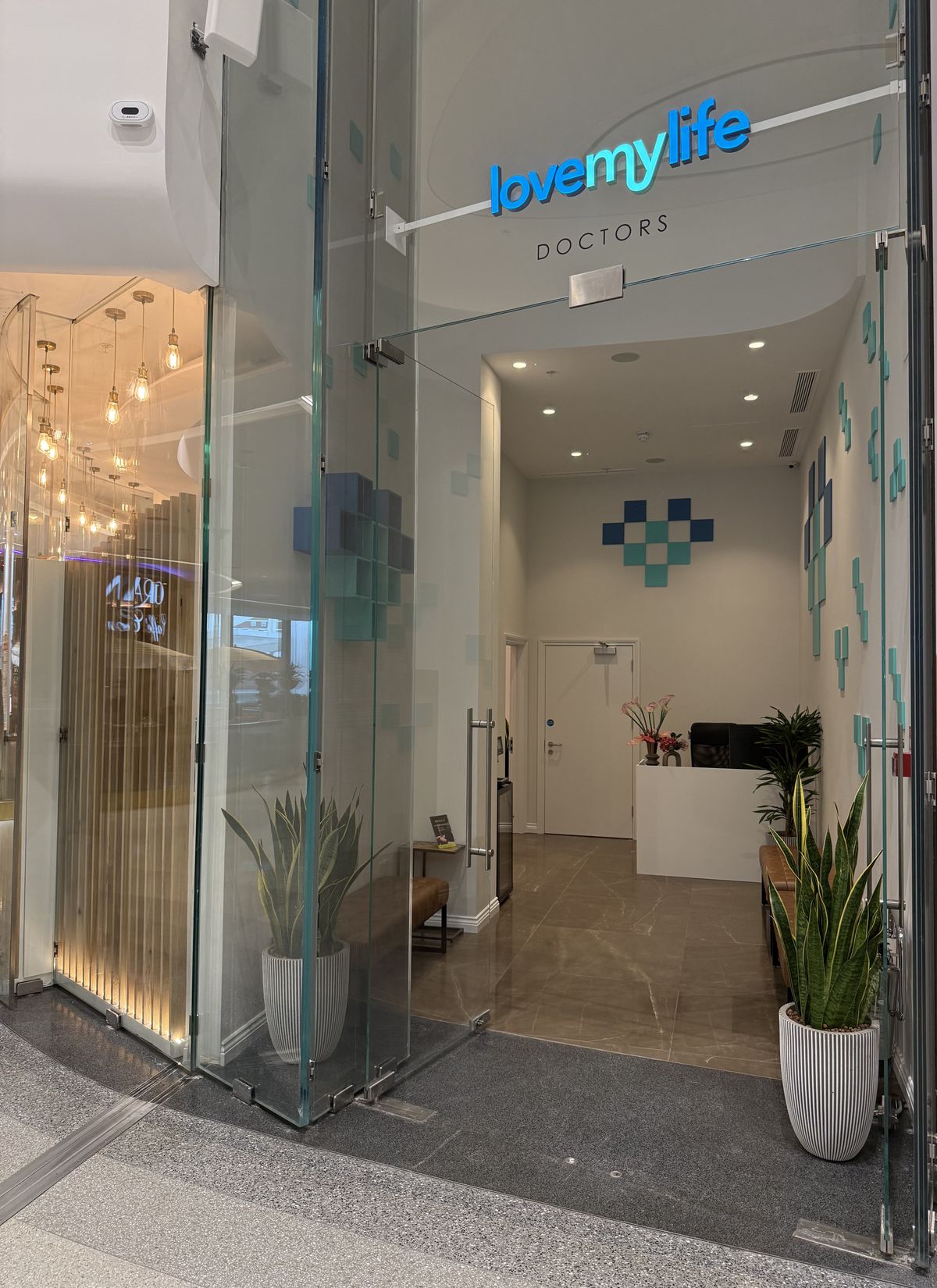
If you prefer, your reviews and consultations can be in person at our Westfield London clinic. It is a full GP clinic too: consultations, health checks and blood tests, whenever you need them.

Everything we have written about sleep.
Pop in during a shopping trip. Nip out in your lunch break. We're open Monday-Saturday 10am-8pm and Sunday 12-5pm.
LoveMyLife
Unit 2023, The Healthcare Village
Westfield London, Ariel Way, London W12 7GF